


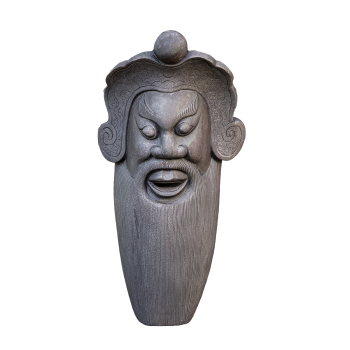
Zhang Fei - Dark Wood Carving
Zhang Fei, also known as Yide, was a famous military commander in the late Eastern Han Dynasty and one of the founding fathers of Shu Han during the Three Kingdoms period. He, along with Liu Bei and Guan Yu, is known as the "Three Swords of Peach Garden" and is renowned for his bravery and boldness. In his early years, he rose up with Liu Bei and participated in the suppression of the Yellow Turban Uprising. In the chaotic era of warlords' domination, he became Liu Bei's trusted assistant with his extraordinary strength and bravery. Zhang Fei has a straightforward personality and often leads by example in battles. He is exceptionally brave and makes the enemy tremble at the sound of his words. The gloomy wooden carving work with the theme of Peach Blossom Oath was created by Chinese arts and crafts master Liang Fengzhu in 2019. The work is now collected at the Liang Fengzhu Arts and Crafts Museum in Nanyue, Hengyang, China.
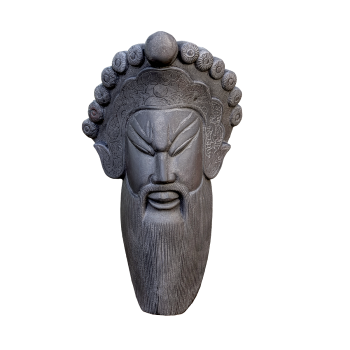
Guan Yu - Dark Wood Carving
Guan Yu, also known as Yunchang, was a famous military commander in the late Eastern Han Dynasty of China and one of the important figures of Shu Han during the Three Kingdoms period. He is known for his bravery, loyalty, and loyalty, and is revered as the "Martial Saint" by later generations. In his early years, he rose up with Liu Bei and participated in the suppression of the Yellow Turban Uprising. In the subsequent warlords' conquests, he became brothers with Liu Bei and Zhang Fei and experienced countless battles together. Throughout history, the imperial court has repeatedly posthumously conferred upon him the title of "Guansheng Emperor". The gloomy wooden carving work with the theme of Peach Blossom Oath was created by Chinese arts and crafts master Liang Fengzhu in 2019. The work is now collected at the Liang Fengzhu Arts and Crafts Museum in Nanyue, Hengyang, China.

Liu Bei - Dark Wood Carving
Liu Bei, also known as Xuande, was a famous politician and military strategist in the late Eastern Han Dynasty of China, and the founding emperor of Shu Han during the Three Kingdoms period. Born in Zhuo County, Zhuo Commandery (now Zhuozhou, Hebei Province), he made a living selling grass shoes and weaving mats in his early years. Liu Bei had a kind and benevolent personality, which won the hearts of the people. Later, he began to make a name for himself by participating in the suppression of the Yellow Turban Uprising. He formed an alliance with Guan Yu and Zhang Fei in Taoyuan, becoming the famous "Peach Garden Three Bonds" in history. The gloomy wooden carving work with the theme of Peach Blossom Oath was created by Chinese arts and crafts master Liang Fengzhu in 2019. The work is now collected at the Liang Fengzhu Arts and Crafts Museum in Nanyue, Hengyang, China.

Er Long Xi Zhu - Dark Wood Carving
The gloomy wood carving work created by Chinese arts and crafts master Liang Fengzhu in 2005 is currently collected at the Liang Fengzhu Arts and Crafts Museum in Nanyue, Hengyang, China. The theme of "Two Dragons Playing with a Pearl" in traditional Chinese culture depicts a vivid scene of two dragons circling and playing around a precious pearl. It is a traditional Chinese auspicious pattern that symbolizes power, strength, and good luck. In Chinese culture, the dragon is a symbol of auspiciousness, representing supreme power and wisdom; And pearls symbolize wealth and light. This pattern is commonly seen in ancient architecture, art, and celebratory events, symbolizing national peace and prosperity.

Arhat Woodcarving
This is a wood carving work by Chinese arts and crafts master Liang Tieqiu from 2015. It is currently collected at the Liangfengzhu Arts and Crafts Museum in Nanyue, Hengyang, China. It shows a scene where a Arhat subdues a fierce dragon with fearless courage and strength. In Buddhist legend, Arhat is a saint who has reached nirvana but has not entered nirvana in order to educate all beings. The dragon subduing Arhat symbolizes infinite magic power and wisdom with his magic tools - Ruyi beads and holy bowls. The image is majestic and solemn, full of bravery and strength, successfully conquering the dragon, which symbolizes overcoming the troubles and obstacles in human hearts in Buddhist art.

Longfeng Chengxiang - gloomy wood carving
It is a wooden carving work by Chinese master of arts and crafts Liang Fengzhu, created in 2002. It is currently collected at the Liang Fengzhu Arts and Crafts Museum in Nanyue, Hengyang, China. This work is made using traditional Chinese gloomy wood carving techniques, showcasing the images of dragons and phoenixes that symbolize auspiciousness in Chinese traditional culture. In China, dragon and phoenix respectively represent authority and dignity, as well as beauty and virtue. Often used together, it symbolizes harmony, happiness, and a happy relationship between husband and wife. The theme of 'Dragon and Phoenix Bringing Auspiciousness' is extremely common in Chinese culture, often used in important occasions such as weddings and celebrations, symbolizing prosperity and the arrival of good luck.

The wooden carving "Johannes Sudder" created by Gus
Johannes Sudel woodcarving was created by an artist named Gus, who was an art sculptor from Dresden, Germany. This wooden carved figure has long flowing hair and beard, giving it an ancient or mythical appearance. His eyes were closed, and his expression was calm and peaceful. The details of the hair and beard are handled very delicately.

The wooden sculpture "Drinking Water Horn" from the heyday of medieval Sweden
The name of the cultural relic is the drinking water horn, which is currently housed in the Swedish History Museum. A birch wooden drinking water horn from the medieval peak of 1250-1299, with two dragon and griffin shaped figures carved on it. The end of the horn is shaped like a dragon's head, turn the head towards the edge. The grappling bucket bites the edge with its beak, while the kite bites the wings of the grappling bucket, connecting the end to the edge. There are three copper strips around the horn and two simple mortise and tenon legs for support.

Painted Wood Carving of the Northern Song Dynasty "Eleven-sided Guanyin Bodhisattva"
"Eleven-sided Guanyin Bodhisattva" is a wood carving art from the late Northern Song Dynasty to the Jin Dynasty in China. It is currently in the Cleveland Museum of Art. The sculpture is 218.5cm high and is carved from willow made of painted and cut gold. This statue is the Avalokitesvara in Buddhism, symbolizing the Buddha's steps to enlightenment. The historical and artistic value of sculpture is very high, and it is the treasure of ancient Chinese art. It shows the carving techniques of the Song Dynasty, reflecting the religious beliefs and aesthetic concepts of the time.

Furniture Designer Roberto Giovannini Wood Carvings Grey Hound Statue

Modern Full Walnut Solid Wood Carved Kissing Wood Carved Desktop Decorations Art

Popular Models
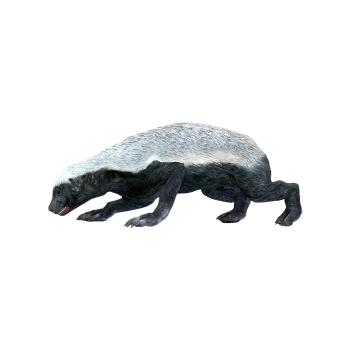
Honey Badger (3D animated model)
194 View
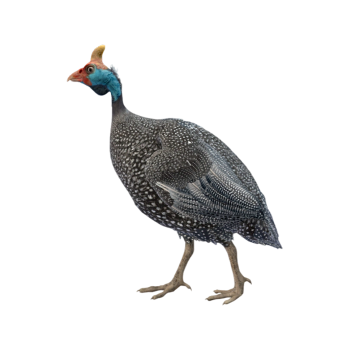
Guinea fowl (3D animated model)
165 View
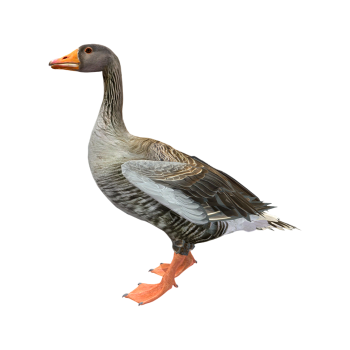
Wild Goose (3D animated model)
187 View

Red Fox (3D animated model)
155 View
Random Model

New York Manhattan Bridge
440 View

monarch butterfly
1090 View

Taser Taser Electric Shock Gun
1961 View


Supercar Jaguar XJ220 1992
775 View

Women's sports vest-milk pattern
754 View

[AR Car Viewing] Xiaomi SU7 (Bay Blue)
3383 View

Lexus LC500GT Coupe
1113 View

French Hermè sBirkin Orange Tote
794 View

Suez Gulf, Egypt
774 View